 delishing
How to Cook Corned Beef: A Comprehensive Guide to 5 Delicious Methods

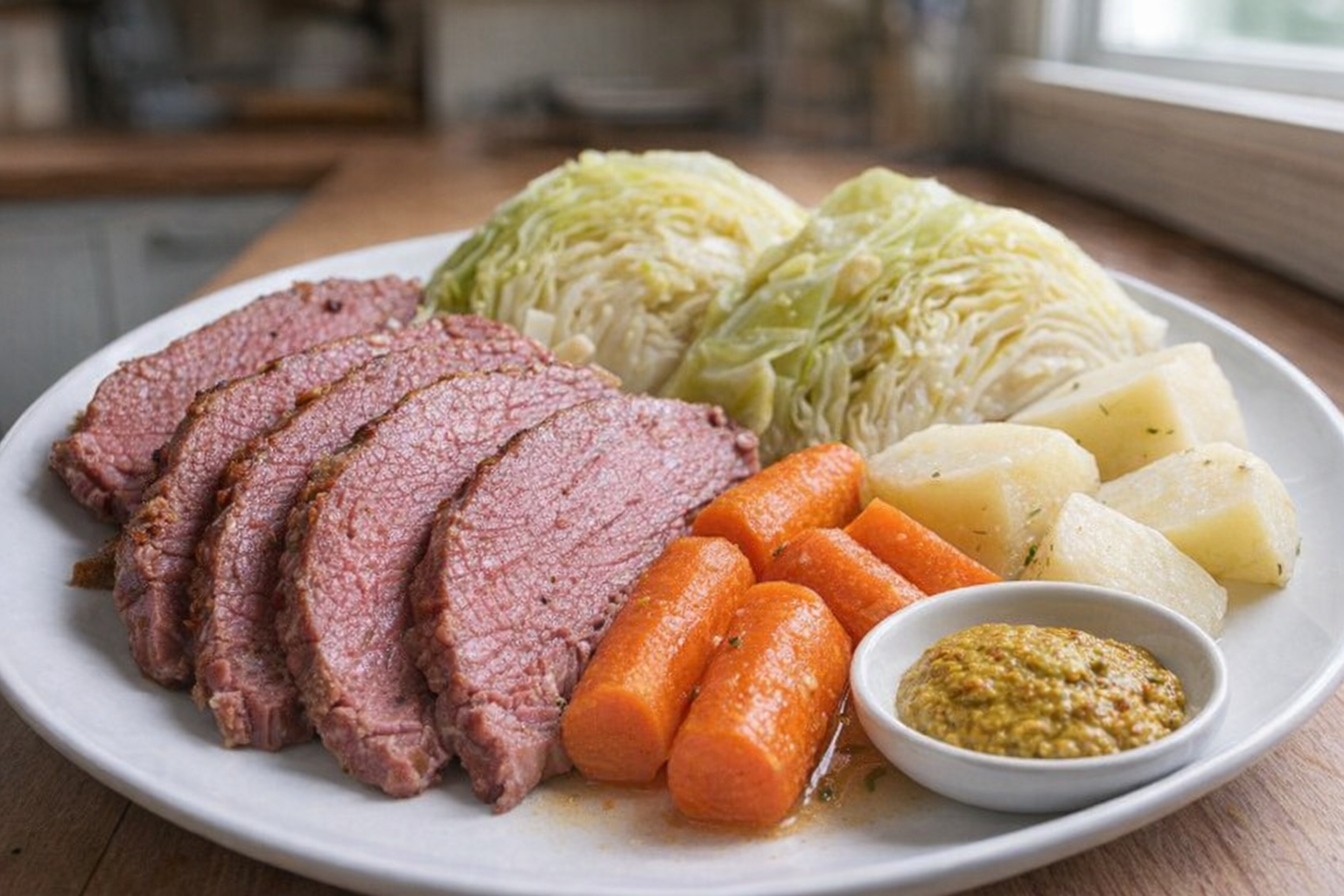
Corned beef, with its distinctive salty and savory flavor, is a culinary staple with roots in preservation techniques. The brining process infuses the beef, typically brisket, with a rich, tangy profile that's both comforting and complex. When cooked correctly, corned beef offers a satisfyingly tender texture, making it a versatile ingredient for various dishes. This guide will walk you through five proven methods to coax the best possible flavor and texture from your corned beef, ensuring a perfect result every time.
Corned beef's versatility lies in its ability to be transformed by different cooking techniques. From the simplicity of boiling to the smoky char of grilling, each method brings out unique characteristics. Understanding these techniques allows you to tailor the final product to your specific preferences, whether you're craving a classic boiled dinner or a modern corned beef sandwich with a grilled twist.
Understanding Corned Beef
Corned beef primarily comes from the brisket, a cut from the breast of the cow. You'll typically find it in two cuts:
- Flat Cut: This cut is leaner and more uniform in thickness, making it easier to slice neatly. It's a good choice if you prioritize even cooking and presentation.
- Point Cut: This cut has more fat marbling, resulting in a richer, more tender flavor. It's ideal for slow cooking methods where the fat renders down, basting the meat from within.
Why Cook Corned Beef This Way?
- Versatility: Corned beef can be cooked in numerous ways, adapting to your preferred cooking style and available equipment.
- Flavor: Each cooking method imparts a unique flavor profile, from the clean taste of boiling to the smoky depth of grilling.
- Convenience: Corned beef is relatively inexpensive and readily available, making it a budget-friendly option for family meals or gatherings.
Preparation (Mise en Place)
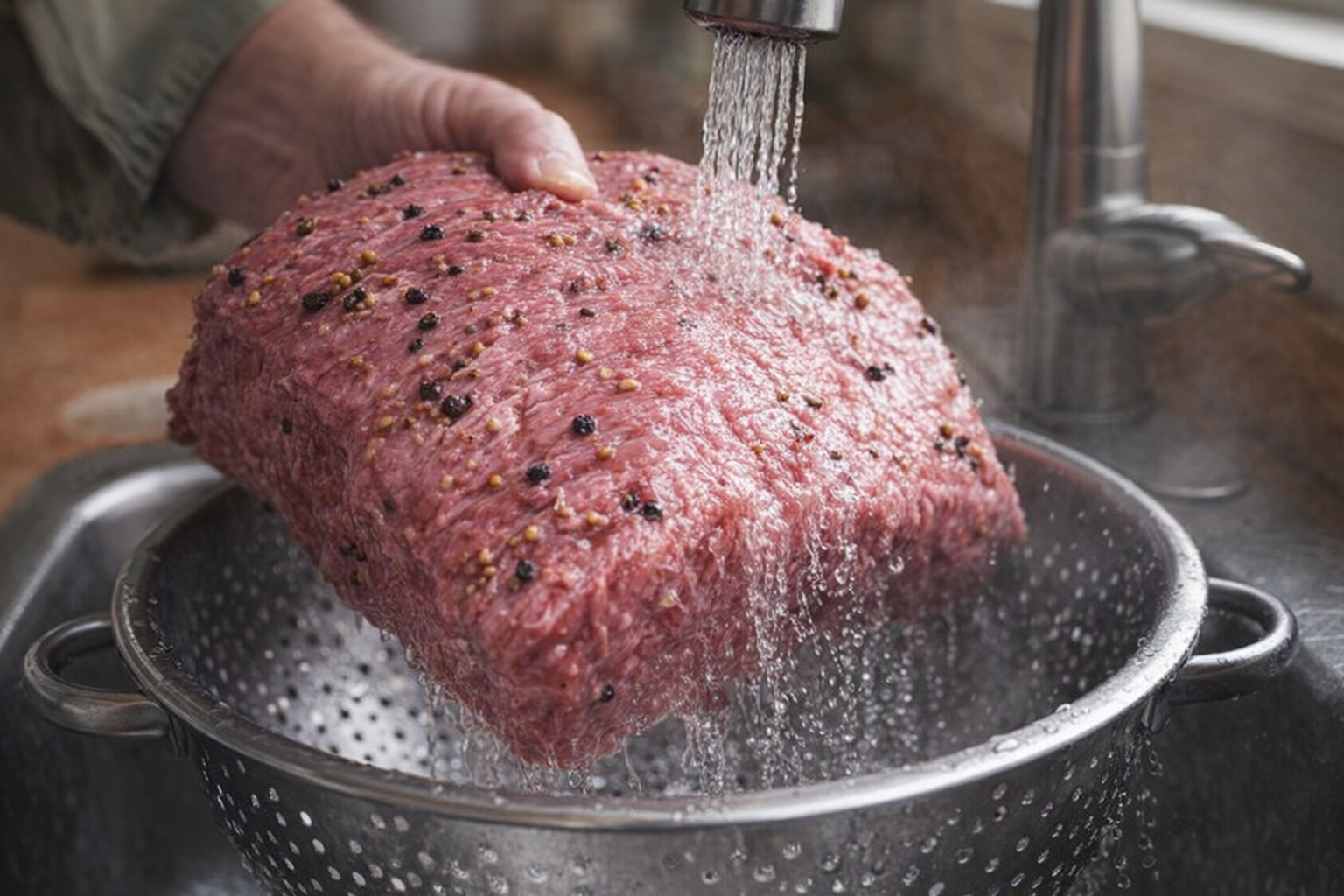
Before cooking, unpack the corned beef and rinse it thoroughly under cold water. This step is crucial for removing excess salt from the curing process. While some recipes suggest skipping this step, a quick rinse helps prevent the final dish from being overly salty, allowing the other flavors to shine through.
Essential Tools
- Large Pot or Dutch Oven: For boiling and slow cooking, choose a pot large enough to fully submerge the brisket in liquid. Cast iron Dutch ovens are ideal for even heat distribution.
- Roasting Pan: Essential for baking, ensuring even cooking and preventing the brisket from drying out.
- Grill: If grilling, ensure your grill is clean and properly oiled to prevent sticking.
- Meat Thermometer: Critical for ensuring the corned beef reaches a safe and palatable internal temperature.
The Cooking Methods
Here are five distinct methods for cooking corned beef, each offering a unique approach and result.
Method 1: Boiling
Boiling is the classic and perhaps most straightforward method. It yields a tender, moist corned beef that's perfect for traditional dishes like corned beef and cabbage.
Ingredients:
- Corned Beef Brisket: 3-4 lbs (1.3-1.8 kg)
- Water: 8-10 cups (1.9-2.4 liters), or enough to cover the brisket
- Black Peppercorns: 1 tbsp
- Garlic: 4-6 cloves, minced
- Onion: 2, quartered (optional)
- Mustard Seeds: 1 tsp (optional)
- Place the corned beef in a large pot and cover it completely with water. Ensure the water level is sufficient to keep the brisket submerged throughout the cooking process.
- Add black peppercorns, minced garlic, and quartered onions (if using) to the pot. These aromatics will infuse the meat with subtle flavors as it simmers.
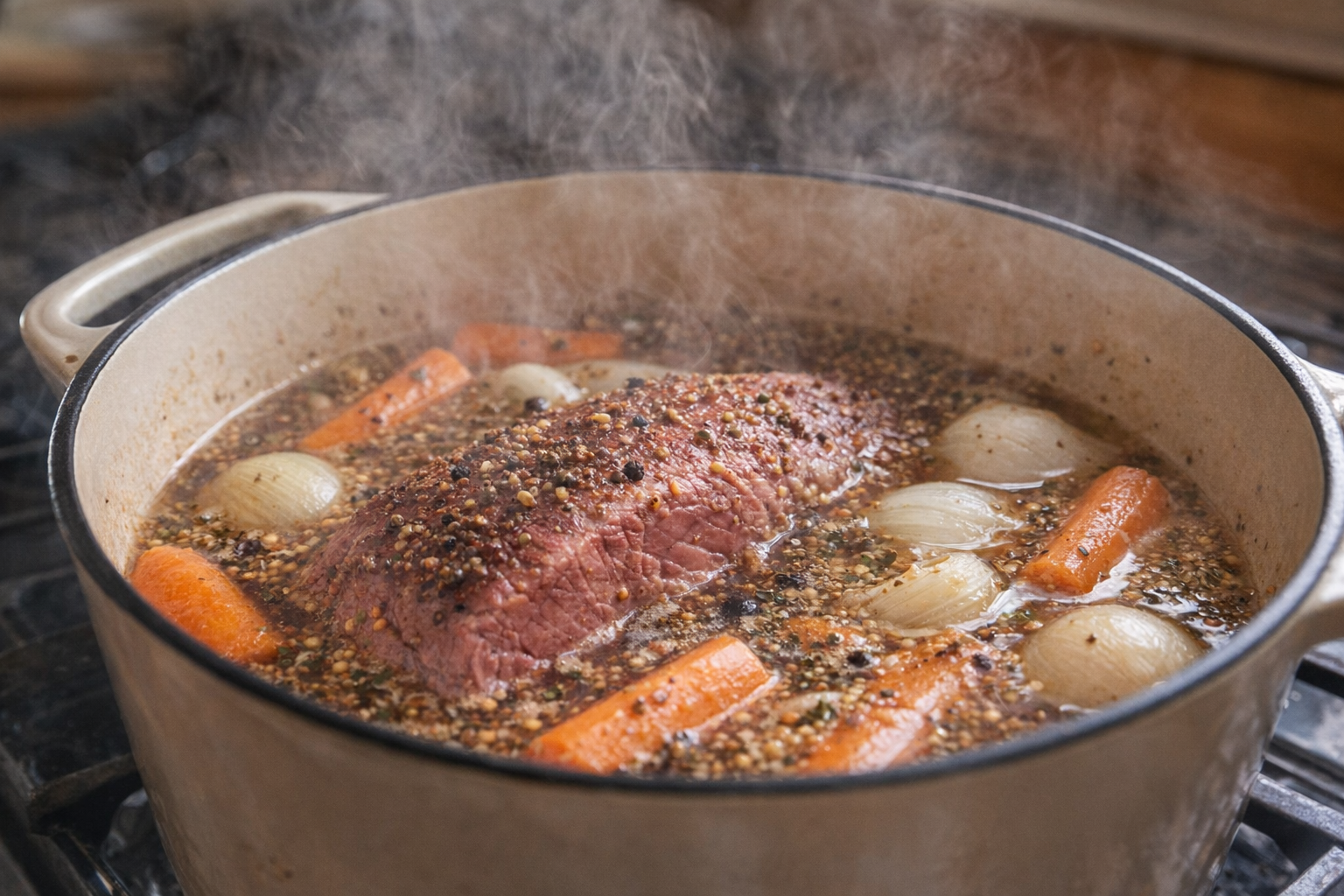
- Bring the water to a boil over high heat, then immediately reduce the heat to low. Simmer gently, partially covered, for 2-3 hours, or until the corned beef is fork-tender. You should be able to easily pierce the meat with a fork with minimal resistance.
- About 30-45 minutes before the end of the cooking time, add your vegetables of choice (e.g., cabbage wedges, quartered carrots, potatoes). This allows the vegetables to cook through without becoming mushy.
- Skim off any excess foam or impurities that rise to the surface of the water during cooking. This helps to clarify the broth and improve the overall flavor.
- Remove the corned beef from the pot and let it rest for 10-15 minutes before slicing against the grain. This allows the juices to redistribute, resulting in a more tender and flavorful final product.
Method 2: Slow Cooking
Slow cooking is an effortless method that results in extremely tender and flavorful corned beef. The low, slow heat allows the meat to gradually break down, resulting in a melt-in-your-mouth texture.
Ingredients:
- Corned Beef Brisket: 3-4 lbs (1.3-1.8 kg)
- Water or Beef Broth: 4-5 cups (950 ml - 1.2 liters)
- Carrots: 4, peeled and chopped
- Bay Leaves: 2-3
- Garlic: 2-3 cloves, minced
- Black Peppercorns: 1 tbsp
- Rinse the corned beef brisket under cold water and pat it dry with paper towels. This helps to remove any excess salt from the curing process.
- Place the corned beef in the slow cooker. Add the chopped carrots, bay leaves, minced garlic, and black peppercorns.
- Pour water or beef broth over the corned beef, ensuring it is mostly submerged. The liquid helps to keep the meat moist and prevent it from drying out during the long cooking process.
- Cook on low for 8-10 hours, or on high for 4-5 hours, until the corned beef is fork-tender. The longer cooking time allows the flavors to meld together and the meat to become incredibly tender.
- Let the corned beef rest for 10-15 minutes before slicing and serving. This allows the juices to redistribute, resulting in a more flavorful and tender final product.
Method 3: Baking
Baking yields a crispy exterior while keeping the inside moist and tender. This method requires an initial boiling step to remove excess salt, followed by baking with a flavorful glaze.
Ingredients:
- Corned Beef Brisket: 3-4 lbs (1.3-1.8 kg)
- Water: 2 cups (475 ml)
- Brown Sugar: 1/4 cup (50 g)
- Whole Grain Mustard: 2 tbsp
- Vinegar: 1 tbsp
- Bay Leaves: 2
- Black Pepper: 1/2 tbsp (optional)
- Preheat your oven to 325°F (160°C).
- Rinse the corned beef and pat it dry. Place the corned beef in a roasting pan.
- In a small bowl, combine brown sugar, whole grain mustard, vinegar, bay leaves, and black pepper (if using). This mixture will form a flavorful glaze that caramelizes during baking.
- Pour the mixture over the corned beef, ensuring it is evenly coated.
- Cover the roasting pan with aluminum foil and bake for 2-3 hours, or until the corned beef is fork-tender. The foil helps to trap moisture and prevent the meat from drying out.
- Remove the foil during the last 30 minutes of baking to allow the glaze to caramelize and the exterior to become slightly crispy.
- Let the corned beef rest for 10-15 minutes before slicing and serving. This allows the juices to redistribute, resulting in a more flavorful and tender final product.
Method 4: Grilling
Grilling adds a smoky flavor to corned beef, creating a delicious contrast to its saltiness. This method is best for precooked corned beef, as it primarily focuses on adding flavor and char.
Ingredients:
- Precooked Corned Beef Brisket: 3-4 lbs (1.3-1.8 kg)
- Olive Oil: 2 tbsp
- Brown Sugar: 1/4 cup (50 g)
- Garlic: 4 cloves, peeled and minced
- Mustard: 2 tbsp (Dijon or stone-ground)
- Black Peppercorns: 1 tbsp, crushed
- Preheat your grill to medium-high heat. Ensure the grates are clean and lightly oiled to prevent sticking.
- In a small bowl, combine olive oil, brown sugar, minced garlic, mustard, and crushed black peppercorns. This mixture will form a flavorful rub that enhances the taste of the corned beef.
- Rub the mixture all over the corned beef, ensuring it is evenly coated.
- Place the corned beef on the grill and cook for 10-15 minutes, turning occasionally, until heated through and slightly charred. The grilling process adds a smoky flavor and crispy texture to the meat.
- Check the internal temperature of the corned beef to ensure it reaches 145°F (63°C). This ensures that the meat is heated through and safe to consume.
- Let the corned beef rest for 5-10 minutes before slicing and serving. This allows the juices to redistribute, resulting in a more flavorful and tender final product.
Method 5: Pan-Frying
Pan-frying is a quick and easy method for creating crispy, flavorful corned beef. This method works best with thinly sliced corned beef.
Ingredients:
- Corned Beef Brisket, thinly sliced: 2-3 lbs (0.9-1.3 kg)
- Butter or Vegetable Oil: 2-3 tbsp
- Pepper Salt: 1 tbsp (optional)
- Brown Sugar: 1 tbsp (optional)
- Heat butter or vegetable oil in a large skillet over medium-high heat. Ensure the skillet is hot enough to create a crispy exterior on the corned beef.
- Add the sliced corned beef to the skillet in a single layer, being careful not to overcrowd the pan. Overcrowding can lower the temperature of the skillet and prevent the meat from browning properly.
- Cook for 3-4 minutes per side, or until crispy and brown. The pan-frying process creates a delicious, crispy crust on the corned beef.
- Remove the corned beef from the pan and let it rest for a few minutes before serving. This allows the meat to cool slightly and the flavors to meld together.
Cooking Time & Doneness Guide
- Boiling: 2-3 hours or until fork-tender.
- Slow Cooking: 8-10 hours on low, 4-5 hours on high, or until fork-tender.
- Baking: 2-3 hours or until fork-tender.
- Grilling: 10-15 minutes, until heated through and slightly charred (internal temp of 145°F/63°C).
- Pan-Frying: 6-8 minutes total, until crispy and brown.
Visual Cues
The corned beef is done when it is easily pierced with a fork and the internal temperature reaches 145°F (63°C). The meat should also be noticeably more tender and pliable.
Tips for Perfection
- Don't Overcrowd the Pan: Whether boiling, frying, or baking, avoid overcrowding the cooking vessel. Overcrowding can lower the temperature and lead to uneven cooking.
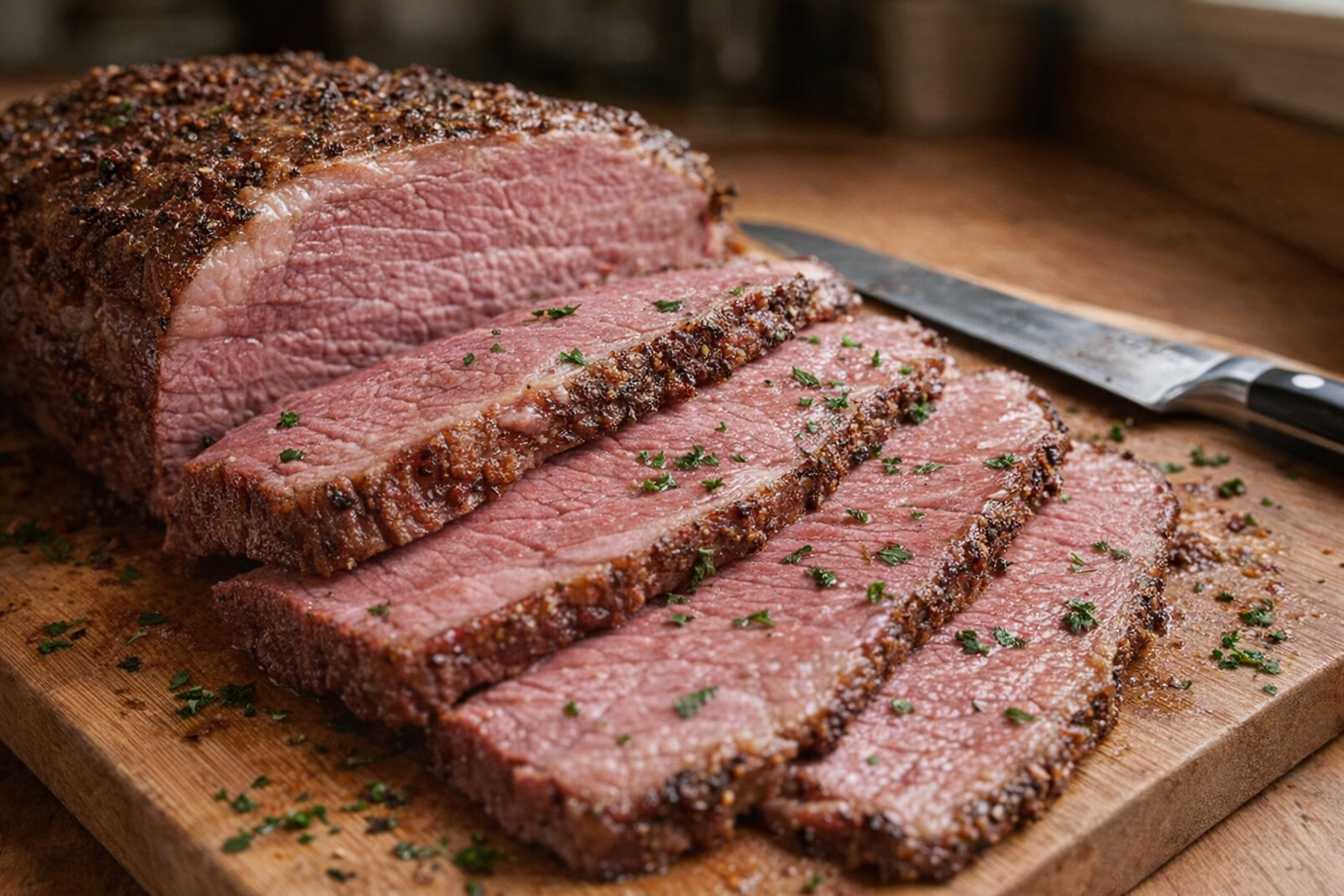
- Slice Against the Grain: Always slice corned beef against the grain for maximum tenderness. The grain refers to the direction of the muscle fibers in the meat.
- Use a Meat Thermometer: A reliable meat thermometer is your best friend for ensuring the corned beef is cooked to a safe and palatable temperature.
- Rest the Meat: Allow the corned beef to rest for at least 10 minutes before slicing. This allows the juices to redistribute, resulting in a more tender and flavorful final product.
Storage & Reheating
Store leftover corned beef in an airtight container in the refrigerator for up to 3-4 days. To reheat, slice the corned beef and gently warm it in a skillet with a little butter or oil, or microwave it in short intervals to avoid drying it out. For best results, add a splash of broth or water to the skillet or microwave to help maintain moisture.
Serving Suggestions
- Classic Corned Beef and Cabbage: Serve boiled corned beef with boiled cabbage, carrots, and potatoes for a traditional Irish-American meal.
- Reuben Sandwich: Layer sliced corned beef with sauerkraut, Swiss cheese, and Russian dressing on rye bread and grill until warm and melty.
- Corned Beef Hash: Dice leftover corned beef and mix it with potatoes, onions, and peppers for a hearty breakfast or brunch dish.
- Corned Beef Tacos: Shred corned beef and serve it in warm tortillas with your favorite taco toppings like salsa, guacamole, and sour cream.
💡 Pro Tips
- Always rinse your corned beef under cold running water before cooking to remove excess surface brine and prevent the final dish from being overly salty.
- For the most tender results, identify the direction of the muscle fibers and slice the cooked meat thinly against the grain.
- Keep the cooking liquid at a gentle simmer rather than a rolling boil to ensure the brisket becomes tender without turning tough or rubbery.
- Allow the corned beef to rest for at least 15 to 20 minutes after cooking so the internal juices can redistribute properly.
- Enhance the aromatic profile by adding the included spice packet along with fresh garlic and halved onions to your chosen cooking liquid.
Frequently Asked Questions
Rinsing corned beef under cold water removes excess salt from the curing process. This prevents the final dish from being overly salty and allows the other flavors in your recipe to shine through.
The best cut depends on your preference. Flat cut is leaner and easier to slice, making it ideal for even cooking and presentation, while point cut has more fat, resulting in a richer, more tender flavor, especially when slow-cooked.
To ensure the most tender slices, always slice corned beef against the grain. Look for the direction of the muscle fibers and cut perpendicular to them; this shortens the fibers and makes the meat easier to chew.
Yes, a pressure cooker is a great option for quickly cooking corned beef. It significantly reduces cooking time while still producing tender results, but be sure to follow a recipe specifically designed for pressure cooking corned beef to avoid overcooking.